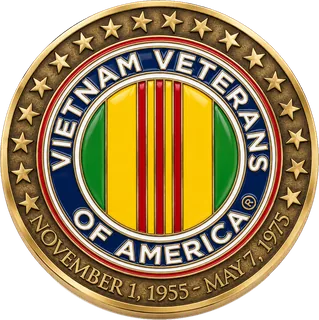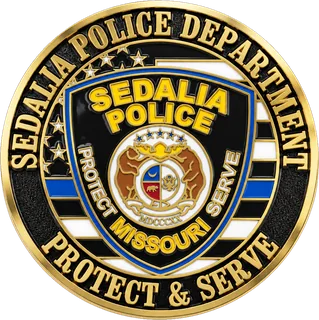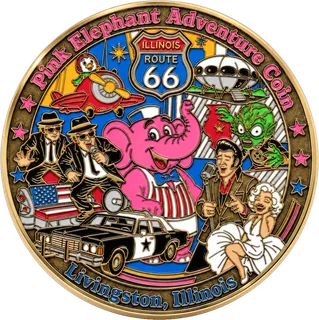
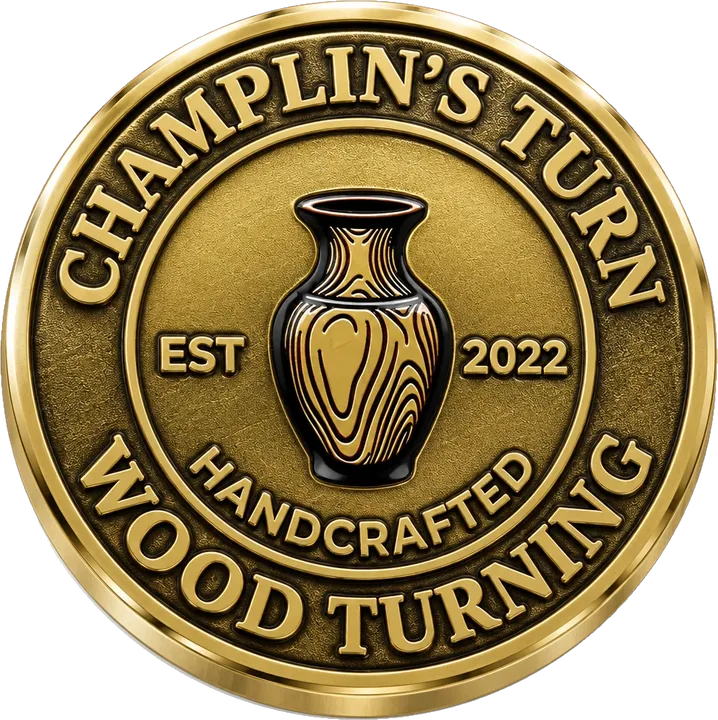
One of the first choices you'll make for a custom challenge coin is whether it has color. We make coins three ways: no color (often called die struck), color on one side, and color on both sides. Each has its own look and price, and the right one depends on your design and how the coin will be used.
The three options at a glance
| No color (die struck) | Color on one side | Color on both sides | |
|---|---|---|---|
| Look | All metal, classic and traditional | A colorful front with an all-metal back | Full color front and back |
| Best for | Medal-style designs, seals, awards and memorials | Logos and patches on the front, a motto or values on the back | Detailed designs that need color on both faces |
| Price | Lowest | In between | Highest |
You can compare current per-coin prices for all three in our guide to how much custom challenge coins cost.
How a challenge coin is made
Every coin starts the same way. Your design is cut into a steel die, and the die strikes a blank piece of metal with enough force to press the design into it. That leaves raised areas and recessed areas, which is what gives a coin its depth. The coin is then plated in the metal finish you choose, such as polished gold, antique silver or black nickel.
A no color coin stops there. For a color coin, the recessed areas are filled with enamel, one color at a time. The color sits just below the raised metal lines, so you can feel the outline of the design with your fingertip and the metal edges catch the light around each color.
When no color (die struck) is the right choice
A die struck coin relies on the metal itself. Raised details, texture and the finish do all the work, and the result looks like a traditional medal or a historic coin. It's a strong choice when:
- Your design is a seal, crest or emblem that already looks good in a single color.
- You want a classic, formal look for awards, retirements, memorials or anniversaries.
- You're watching the budget. No color is our most affordable option.
To give a no color coin more character, add an antique finish, which darkens the recessed metal so the raised details stand out, or dual-tone metal, which combines two platings on one coin. 3D sculpting also works beautifully without color. You can see these finishes on our coin options page.
When to add color
Color makes a coin instantly recognizable. If your logo, patch or flag has specific colors, people expect to see them, and enamel lets you match them closely. Color is usually the better choice when:
- Your logo or patch depends on its colors, such as a company brand or a unit patch.
- You want the coin to stand out at a glance, in a display case or on a desk.
- The design includes a flag, a scene or a mascot that would lose detail in metal alone.
Color on one side or both?
Many of our customers put color on the front only. The front carries the logo or patch in full color, and the back uses raised metal for a motto, values, names or dates. It looks finished and balanced, and it costs less than coloring both sides.
Choose color on both sides when each face has its own important artwork, for example a unit patch on the front and a state flag or deployment emblem on the back. Our coin gallery has plenty of examples of both.
Color effects worth knowing about
- Glitter enamel mixes sparkle into the color. It's popular for stars, night skies and celebration coins.
- Glow enamel glows in the dark after it's been in the light.
- Epoxy coating adds a clear, smooth dome over the color for extra protection and a glossy finish.
- Printed photo coins are available for portraits and photographs, quoted on request.
Add-on prices are listed on our pricing page.
Tips for designing a color coin
- Each color needs a metal outline. Raised metal lines separate one color from the next. Our designers add them for you, and they're part of what gives a color coin its crisp look.
- Keep very small details in metal. Tiny lettering and fine lines are clearer as raised polished metal than as color.
- Use contrast. Dark enamel against bright gold, or light enamel against dark metal, keeps the design readable from across a room.
- Send your PMS colors. We match enamel with the Pantone PMS system and list every PMS number on your proof, so you can check colors exactly instead of relying on your screen.
Die struck vs. color FAQ
Is a die struck coin lower quality than a color coin?
Not at all. Both are struck the same way from the same metals. A die struck coin simply skips the color, which gives it a more traditional look.
Can I add color to just one part of the design?
Yes. Many coins use mostly metal with one or two colors as accents, such as a red, white and blue flag on an otherwise all-metal coin. Mention it in your quote request and we'll price it for you.
Will the color wear off?
The enamel sits below the raised metal, which protects it from everyday handling. For a coin that will live in someone's pocket, an epoxy coating adds another layer of protection.
How many colors can I use?
As many as your design needs. Each color sits in its own area, so the practical limit is space. Your proof shows every color before anything is made.
Not sure which to choose?
Send us your logo or idea and tell us how the coin will be used. We'll suggest the option that fits your design and budget, and you'll see a free full-color proof before you decide. Request a free quote, or read how to choose a challenge coin size next.